
Effective Concrete Cleaning: 5 Proven Techniques for a Spotless Finish in 2025
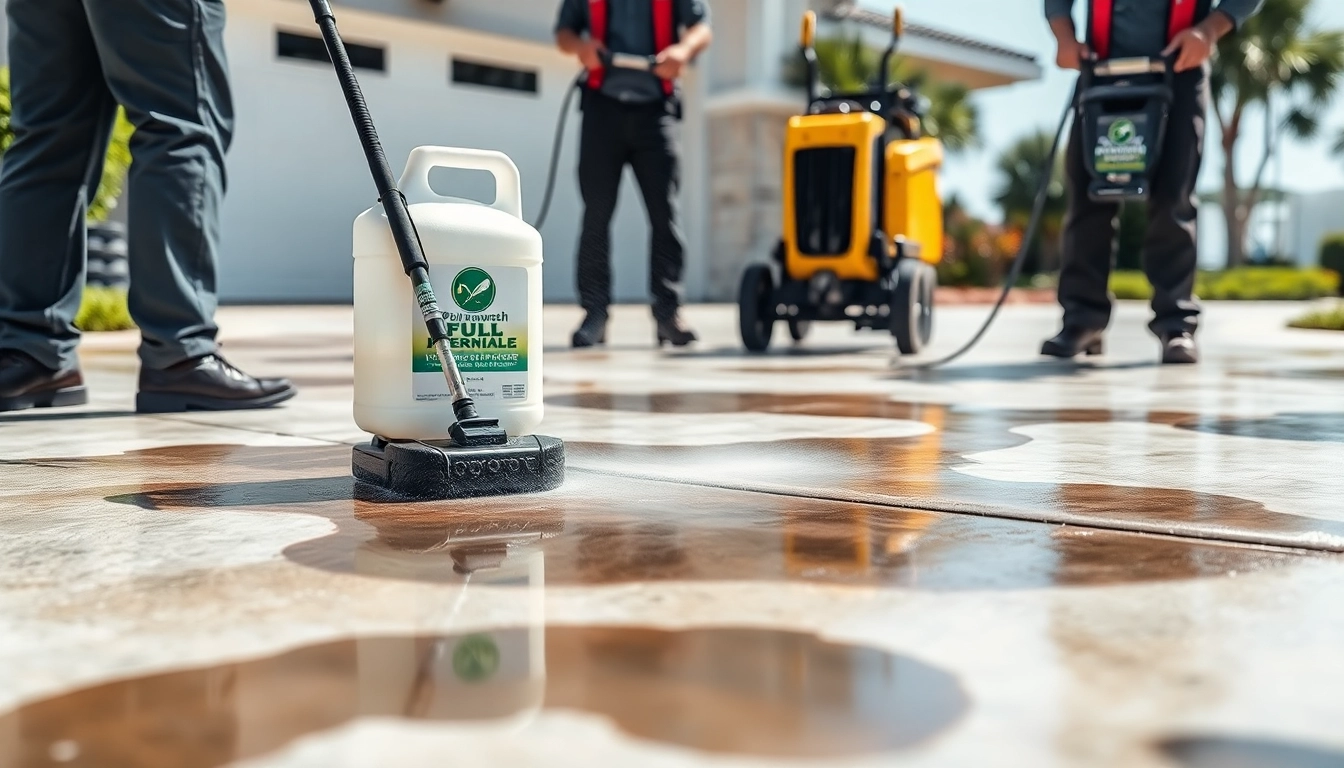
Understanding Concrete Cleaning Needs
Concrete surfaces are often subjected to the elements, making them susceptible to stains, discoloration, and wear over time. Proper concrete cleaning is essential not just for aesthetic appeal but also for maintaining the integrity of your property. Whether it’s a driveway, patio, or commercial area, understanding the importance of concrete cleaning can help you make informed decisions about property maintenance.
Why Concrete Cleaning is Essential for Property Maintenance
Concrete, as a durable material, is commonly used in residential and commercial properties. However, without regular cleaning, it can accumulate dirt, grime, mildew, and stains that not only tarnish its appearance but can also lead to deterioration over time. Seasonal weather changes, spills, and foot traffic can exacerbate these issues. Regular concrete cleaning helps:
- Improve curb appeal and enhance the overall aesthetics of your property.
- Prevent potential damage caused by mold and mildew growth.
- Extend the lifespan of your concrete surfaces, saving money on future repairs.
Common Stains and Challenges in Concrete Cleaning
Concrete surfaces can harbor a variety of stains, including oil, rust, algae, and mineral deposits. Each type of stain requires a tailored approach for effective removal:
- Oil Stains: Commonly found in driveways and garages, these stains can penetrate deep into the concrete, making them challenging to remove.
- Mildew and Algae: These organic growths thrive in humid conditions and can create unsightly green patches on patios and walkways.
- Rust Stains: Often caused by metal objects left on the concrete, rust stains can be particularly stubborn and may require specialized cleaners.
Benefits of Professional Concrete Cleaning Services
While DIY methods are available for cleaning concrete, hiring professional services can yield superior results. Benefits include:
- Access to advanced cleaning equipment and eco-friendly agents designed specifically for concrete.
- Expertise in identifying and addressing underlying issues that may not be visible, such as structural damage or deep-seated stains.
- Time-saving and efficient service, allowing you to focus on other important tasks.
Choosing the Right Equipment for Concrete Cleaning
When tackling concrete cleaning, the right equipment can make a significant difference in the outcome. Understanding the tools available can help you determine the best approach for your needs.
Essential Tools for Effective Concrete Cleaning
The tools used for concrete cleaning vary widely, but the most common include:
- Pressure Washers: These are essential for effective cleaning. Hot water pressure washers are particularly effective at removing tough stains.
- Surface Cleaners: These attachments help cover larger areas uniformly, preventing streaks and uneven cleaning.
- Concrete Brooms and Brushes: For thorough scrubbing, stiff-bristled brushes can assist in loosening dirt before pressure washing.
Comparing Pressure Washers: Which is Right for You?
Not all pressure washers are created equal. When selecting a pressure washer for concrete cleaning, consider:
- PSI (Pounds per Square Inch): Higher PSI means more power, which is essential for stubborn stains.
- GPM (Gallons per Minute): Higher GPM ensures more water is used, which can speed up the cleaning process.
- Hot vs. Cold Water: Hot water is particularly effective for grease and oil stains, while cold water is suitable for lighter cleaning jobs.
Eco-Friendly Cleaning Agents: Safe Solutions for Concrete
Choosing the right cleaning agents is crucial for effective results while ensuring environmental safety. Some popular eco-friendly options include:
- Baking Soda: Acts as a mild abrasive, effective in removing light stains.
- Vinegar: A natural disinfectant that can help remove grime.
- Commercial Eco-Friendly Cleaners: Formulated specifically for concrete, these can effectively tackle tough stains without harming the environment.
Step-by-Step Guide to Concrete Cleaning
Proper preparation and technique are crucial for effective concrete cleaning. Follow this step-by-step guide to achieve the best results.
Preparation: Setting Up for Success
Before starting the cleaning process, ensure you have the right tools and materials at hand. Preparation steps include:
- Clearing the area of outdoor furniture, vehicles, and any debris.
- Inspecting the concrete for any damages that may require attention before cleaning.
- Choosing a day with clear weather to avoid complications due to rain or wind.
Applying Techniques: Hot Water vs. Cold Water Washing
When deciding between hot and cold water washing, consider the following:
- Hot Water Washing: Ideal for oil and grease stains as it helps dissolve tough grime.
- Cold Water Washing: Suitable for general cleaning and maintenance tasks.
Regardless of the method chosen, ensure to maintain a consistent distance between the nozzle and the surface to avoid damage.
Post-Cleaning Maintenance Tips for Longevity
After cleaning, it’s important to implement maintenance measures to keep your concrete looking fresh:
- Consider sealing the concrete to protect it from future stains and damage.
- Regularly sweep and wash your concrete surfaces to prevent buildup of dirt and grime.
- Address any spills or stains immediately to minimize permanent damage.
Addressing Common Concerns About Concrete Cleaning
Many property owners have questions and concerns when it comes to concrete cleaning. Here are some common inquiries:
Can Pressure Washing Damage My Concrete?
If done incorrectly, pressure washing can potentially damage concrete. To avoid this, it’s crucial to use the right pressure settings and techniques. Hiring professionals can ensure that the job is done safely and effectively.
How Often Should I Have My Concrete Cleaned?
The frequency of concrete cleaning depends on its location and usage. High-traffic areas such as driveways may require cleaning every six months, whereas patios or sidewalks can be cleaned once a year.
Understanding the Cost of Concrete Cleaning Services
Costs for concrete cleaning can vary based on several factors, including:
- The size of the area being cleaned.
- The type of stains present.
- Whether additional services, such as sealing or repair, are needed.
On average, property owners can expect to pay between $1 to $3 per square foot for professional concrete cleaning services.
Future Trends and Innovations in Concrete Cleaning
The field of concrete cleaning is evolving with new technologies and methods aimed at improving effectiveness and sustainability.
Emerging Techniques for Efficient Concrete Maintenance
Emerging techniques such as laser cleaning and robotic pressure washers are gaining traction for their ability to clean while minimizing impact on the surroundings. These innovations are set to become more common in the coming years.
The Role of Technology in Concrete Cleaning (2025 Insights)
In 2025, technology is likely to play a significant role in concrete cleaning. Smart pressure washers equipped with sensors can optimize water usage and cleaning effectiveness based on real-time data about surface conditions.
Sustainable Practices: The Future of Concrete Cleaning Services
As the demand for eco-friendly practices grows, many concrete cleaning services are adopting sustainable methods. This includes using biodegradable cleaning agents and water reclamation systems that minimize waste, ensuring that concrete cleaning aligns with environmental standards.